Thinking about selling your Excelsior lake home this year? You know the water draws buyers, but pricing, permits, and presentation feel more complex than a typical suburban sale. You are right to take it seriously. In this guide, you will learn how the Lake Minnetonka market differs from city medians, what to prep before listing, which permits and documents matter, and how to market the shoreline lifestyle the right way. Let’s dive in.
What makes selling different
Market context: lake vs. city
Lake Minnetonka’s waterfront is a distinct segment with prestige pricing and its own pace. Local reporting shows many waterfront parcels trade in the multi‑million range, with average days on market measured in weeks rather than days, depending on season and property specifics. You can see this context in Lake Minnetonka trend reports.
At the same time, Excelsior’s city-level figures tell a different story. Recent snapshots list the city’s median sale price in the mid six‑figure range with relatively short days on market, driven by small sample sizes and quick inland or non‑waterfront sales. Review the current snapshot for context, but do not equate it with lakeshore values. For a quick reference, see the Excelsior market snapshot.
The takeaway: set expectations using same‑bay or street‑level comparables, not citywide medians.
Timing and seasonality
Buyer interest for lake homes spikes from spring through early summer. Listings launched in this window often see more showings and faster engagement. Local coverage has highlighted strong lakeshore demand through 2025, which supports timing a listing for late spring or early summer when possible. For added context on sustained demand, review recent Star Tribune reporting on Minnesota lakeshore trends.
If you need to sell in fall or winter, you can still succeed. Cold‑season buyers are often serious and focused, especially for year‑round or winterized homes. Adjust your media plan to include at least one summer water image to communicate lifestyle.
Pricing by the bay
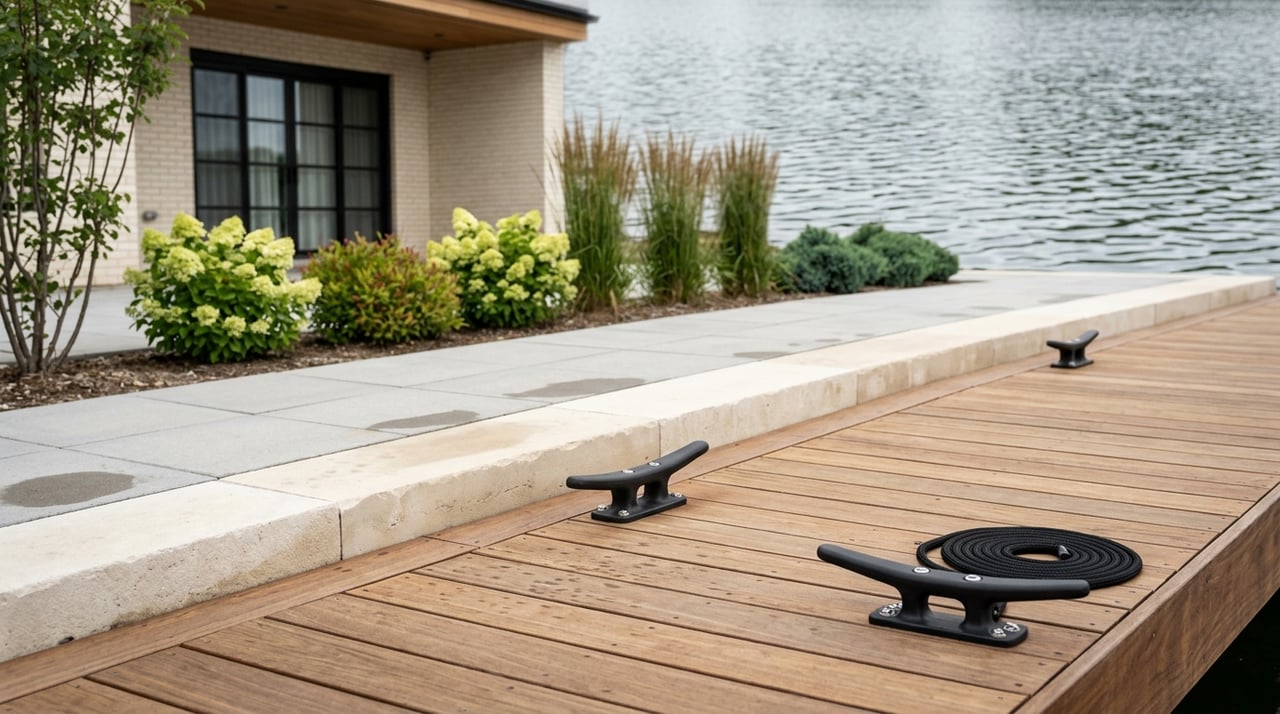
On the lake, micro‑location matters. Linear feet of frontage, shoreline type, water depth at the dock, exposure to wind and waves, and the quality of views can shift value more than interior finishes. An open‑water view on a point can price differently than a similar home on a narrow, protected cove.
Work with an agent who will pull same‑bay closed sales first, then use nearby bays for context. Ask for at least three to five relevant sold comps where available. This approach keeps your price aligned with how buyers actually evaluate the shoreline.
Permits and rules to confirm
Who regulates your shoreline
Lake properties sit under multiple authorities. Expect rules from the City of Excelsior, the Lake Minnetonka Conservation District, and your watershed district, plus state guidance for public waters. These bodies coordinate on lake levels, shoreline policy, and aquatic invasive species. Start your prep by listing the agencies that apply to your parcel and confirming any past correspondence or permits. For lake‑wide programs and resources, visit the Lake Minnetonka Conservation District.
Docks, riprap, and vegetation
Minnesota DNR guidance is the baseline. Many small seasonal docks and swim platforms do not require a state public waters work permit if they meet specific conditions, such as no roof or walls and no obstruction to navigation. Shoreline hardening is different and more tightly regulated. Riprap typically cannot extend more than about six feet waterward of the ordinary high‑water line, and slope and rock size standards apply. Removal or control of aquatic plants often requires a permit. Review the DNR’s plain‑language guidance on whether you need a permit.
Beyond permits, the state encourages protecting or restoring natural shoreline where possible instead of large‑scale grading or armoring. If you are dealing with high water or erosion, read the DNR’s guidance on managing fluctuating water levels and shoreline best practices.
AIS and buyer expectations
Lake Minnetonka has active aquatic invasive species prevention at public accesses, along with seasonal inspection and decontamination programs. Buyers who plan to launch boats will want to understand inspection expectations, any decontamination steps, and the AIS history of your bay. Include any relevant correspondence in your disclosure packet and point buyers to LMCD resources on AIS and lake use.
Flood maps and insurance
Floodplain status can affect insurance and buyer decisions. Use FEMA’s Map Service Center or local floodplain staff to confirm whether your parcel lies in a Special Flood Hazard Area. A quick check early in your prep avoids surprises during underwriting. If you have not used FEMA’s site before, this DNR guide explains how to use the FEMA Map Service Center.
Prepare your property
Pre‑listing inspections
Complete these core checks before you list:
- Dock and boathouse safety. Have a qualified pro inspect structure and any electrical components. Confirm permits or legal nonconforming status for the dock and lift.
- Shoreline stability. Look for signs of erosion or bluff issues and gather any past riprap or restoration permits.
- Septic or sewer. If you have a private septic, obtain an inspection. If you are connected to municipal sewer, document it.
- Survey and easements. Verify parcel lines at the shoreline and note any riparian or association easements that affect mooring, docks, or access.
Bringing this information forward reduces negotiation friction and builds buyer confidence.
Shoreline appearance: do and don’t
You want clean, safe access and clear views without creating new permit problems.
- Do tidy paths, secure loose boards, and remove debris at the waterline. Keep lawn edges neat outside the shore impact zone. Use vendors who understand the ordinary high‑water line.
- Avoid adding sand blankets, new riprap, or large grading without permits. Do not remove emergent vegetation without checking permit requirements. When in doubt, reference the DNR’s shoreline practices for high‑water conditions.
Staging and photography
Lead with the water. Organize your media so buyers feel the shoreline lifestyle first.
- Feature exterior water‑facing images up front, then interior rooms that frame the view, and follow with twilight shots for ambiance.
- Use a photographer experienced with waterfront light and reflections. Drone images can clarify shoreline shape, proximity to downtown Excelsior, and bay context. For any commercial drone work, use a pilot who follows FAA Part 107 rules.
- If you are listing outside boating season, include at least one approved summer image that shows the dock in use to help buyers picture next summer.
Pricing strategy
Value drivers on the lake
Buyers price the lake first and the house second. The most common waterfront value factors are:
- Linear feet of direct frontage and quality of views.
- Shoreline type and water depth at the dock.
- Exposure to wind and waves versus protected cove.
- Presence and condition of permitted dock, lift, or boathouse.
- Riparian or association mooring rights and any restrictions.
These features often command a premium compared with inland homes, but the premium is property specific. A professional market analysis that pairs these attributes with same‑bay sales is essential.
Tactics based on condition
Let the shoreline and dock condition guide your pricing and offer strategy.
- If the dock and shoreline are excellent and permitted, price confidently for the bay and display the documentation in your listing packet.
- If work is needed, estimate cost to cure. You can either address the issues before listing or offer a targeted credit to keep momentum. Build in time for permits if you plan to complete work yourself.
- Use professional staging, drone, and a short lifestyle video to make the value obvious at a glance. Great media shortens days on market and supports stronger offers.
Marketing that moves buyers
What to feature first
Lake buyers scan for specifics. Put these items front and center in your marketing remarks, media captions, and property website:
- Shoreline footage, type, and dock details, including lift capacity if known.
- Status of permits and maintenance records for dock, boathouse, and shoreline.
- AIS notes for the bay and any association or LMCD rules that affect mooring or lifts.
- Proximity to downtown Excelsior, marinas, and public launches.
Visuals that sell
- Aerials to show shoreline shape and approach.
- Wide‑angle interiors that frame blue‑water views.
- Twilight exteriors for glow and reflections.
- A one‑minute lifestyle reel that connects the home to dining, trails, and boating.
Documents to assemble early
Create a clean pre‑listing packet. It signals a well‑cared‑for property and removes friction later.
- Copies of dock, boathouse, and shoreline permits and any engineering or as‑builts.
- Septic inspection report or proof of municipal sewer connection.
- Survey or plat that identifies shoreline boundaries and recorded easements.
- Any LMCD or watershed correspondence, AIS notes, and flood‑map status.
- A brief summary of recent same‑bay sales you will rely on for pricing.
If you are considering shoreline restoration, many districts offer grants that can offset costs. As an example of the type of program to look for, review this watershed page on shoreline permits and cost‑share.
Costs to expect
Dock projects vary widely. National cost data shows many dock builds or major repairs land in the low‑to‑mid five‑figure range, while simple fixes can cost much less and engineered solutions can cost more. Use this as a ballpark only and get local bids early. For reference, see HomeAdvisor’s dock cost overview.
Shoreline restoration with native planting can be modest, especially if grants help. Hard armoring and seawalls are significantly more expensive and usually face stricter review. Permits can drive timing, so plan ahead.
Your pre‑list checklist and timeline
Use this quick plan to move from decision to launch in about four to six weeks. Adjust as needed for permit or contractor lead times.
- Week 1: Gather permit history and records. Start with dock, boathouse, riprap, septic, and any shoreline restoration. Confirm flood status using the DNR’s FEMA MSC how‑to.
- Week 1–2: Order inspections. Dock and lift safety, shoreline stability, and septic. Ask a surveyor to verify shoreline boundaries if you lack recent documentation.
- Week 2: Decide on repairs or credits. Get written estimates for any dock or shoreline work.
- Week 2–3: Prep the property. Tidy shoreline access, secure loose boards, stage rooms that frame the view, and refresh exterior paint or mulch.
- Week 3: Schedule media. Book a waterfront‑experienced photographer and a Part 107 drone pilot following FAA rules. Plan for one calm‑weather shoot.
- Week 3–4: Set price. Ask your agent for a bay‑specific CMA with three to five same‑bay sold comps where available and recent actives.
- Week 4–6: Launch. Go live ahead of a strong showing weekend. Share your media plan across listing portals and social channels and monitor engagement in the first 7–10 days.
Ready to start? Reach out to schedule a bay‑specific valuation, a tailored prep plan, and a polished media schedule that showcases the shoreline lifestyle.
If you want hands‑on help coordinating inspections, staging, and premium marketing, our senior‑led team can guide every step with Compass‑backed distribution and concierge options. Connect with Evergreen Realty Group to get your plan in motion.
FAQs
Do I need a permit to repair my dock or add riprap?
- Often yes for shoreline alterations or work below the ordinary high‑water line; small seasonal docks can be exempt if they meet DNR and local conditions, so always verify with the city, watershed, and the DNR’s permit guidance.
Will an unpermitted dock stop my sale in Excelsior?
- Not necessarily, but it is a common negotiation point; clear disclosure and documentation reduce risk and may prevent closing delays.
How much does it cost to fix or replace a dock?
- Costs range widely, with many projects landing in the low‑to‑mid five figures and simple repairs much less; check recent ranges in HomeAdvisor’s dock overview and get local bids.
Are there grants to help with shoreline restoration?
- Many watershed districts offer cost‑share programs for native buffer and stabilization work; review example program details on shoreline permits and grants and contact your district.
When is the best time to list a Lake Minnetonka home?
- Spring through early summer usually brings the most buyer traffic for lake homes, while fall and winter can attract fewer but very focused buyers; see context in local lakeshore demand coverage.
What documents should I gather before listing a lake home?
- Collect dock/boathouse/shoreline permits, septic or sewer documents, a recent survey with any easements, AIS or LMCD correspondence, flood‑map status, and a short summary of recent same‑bay sales.