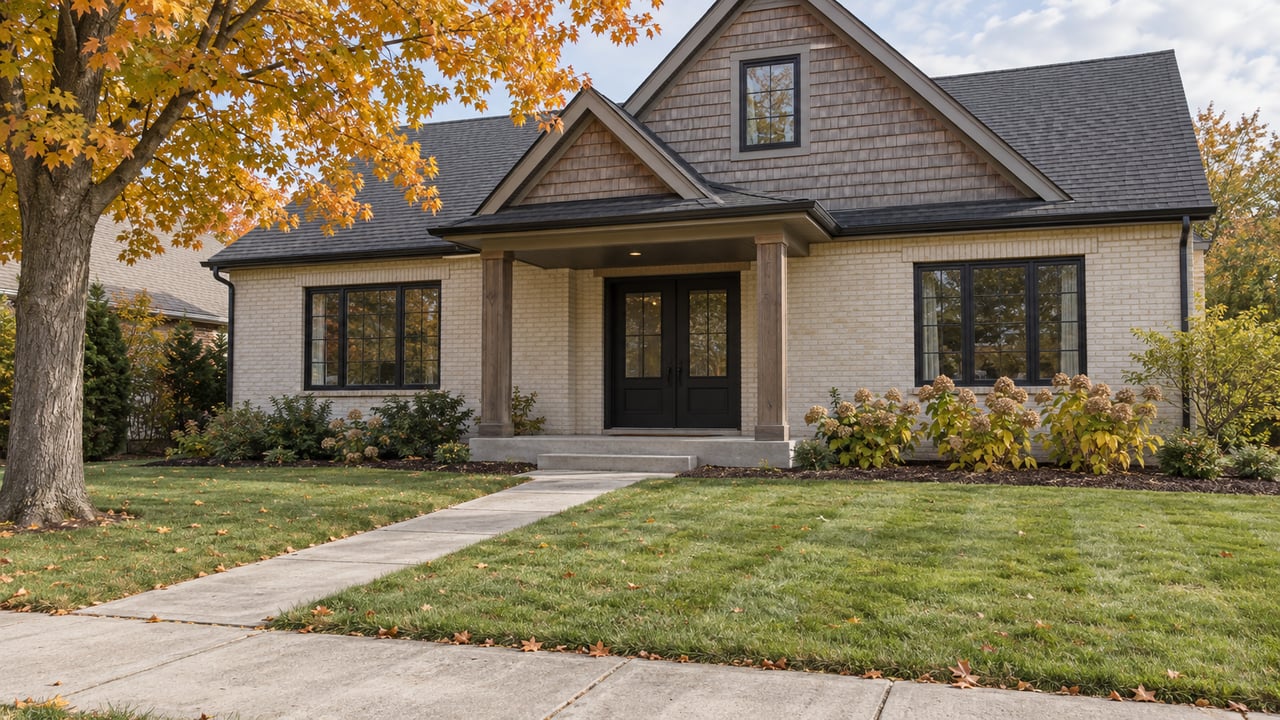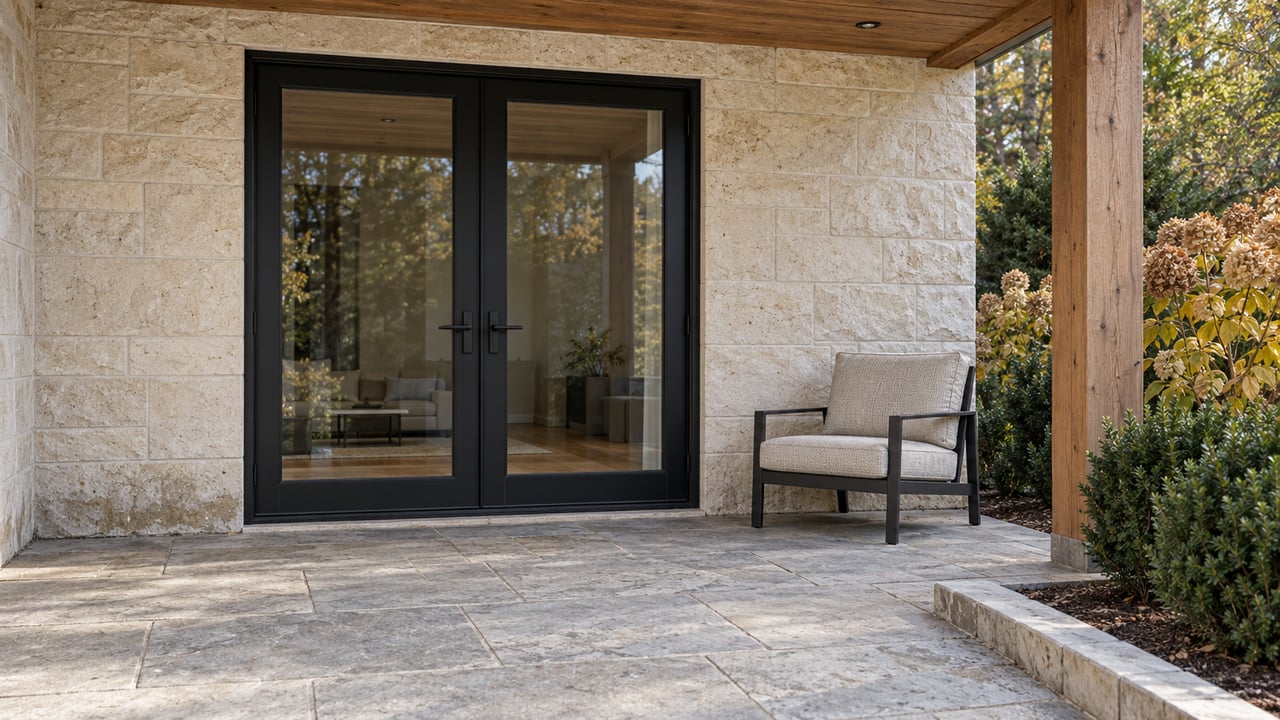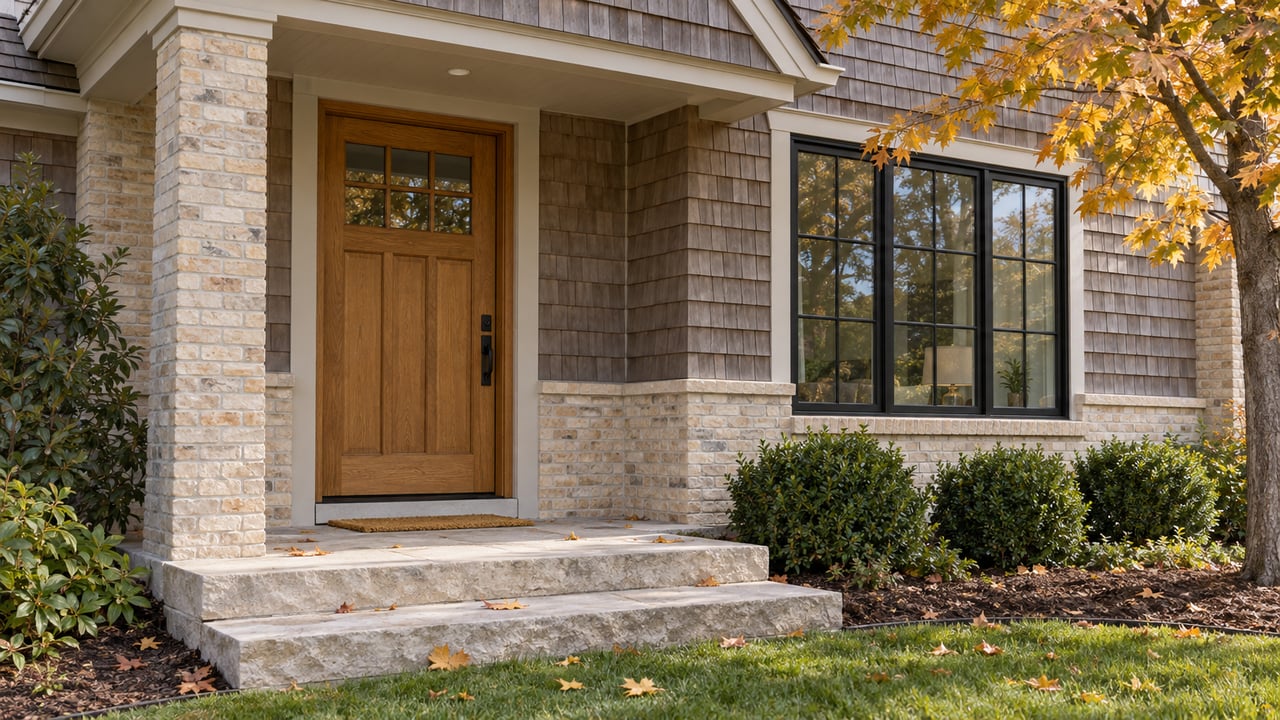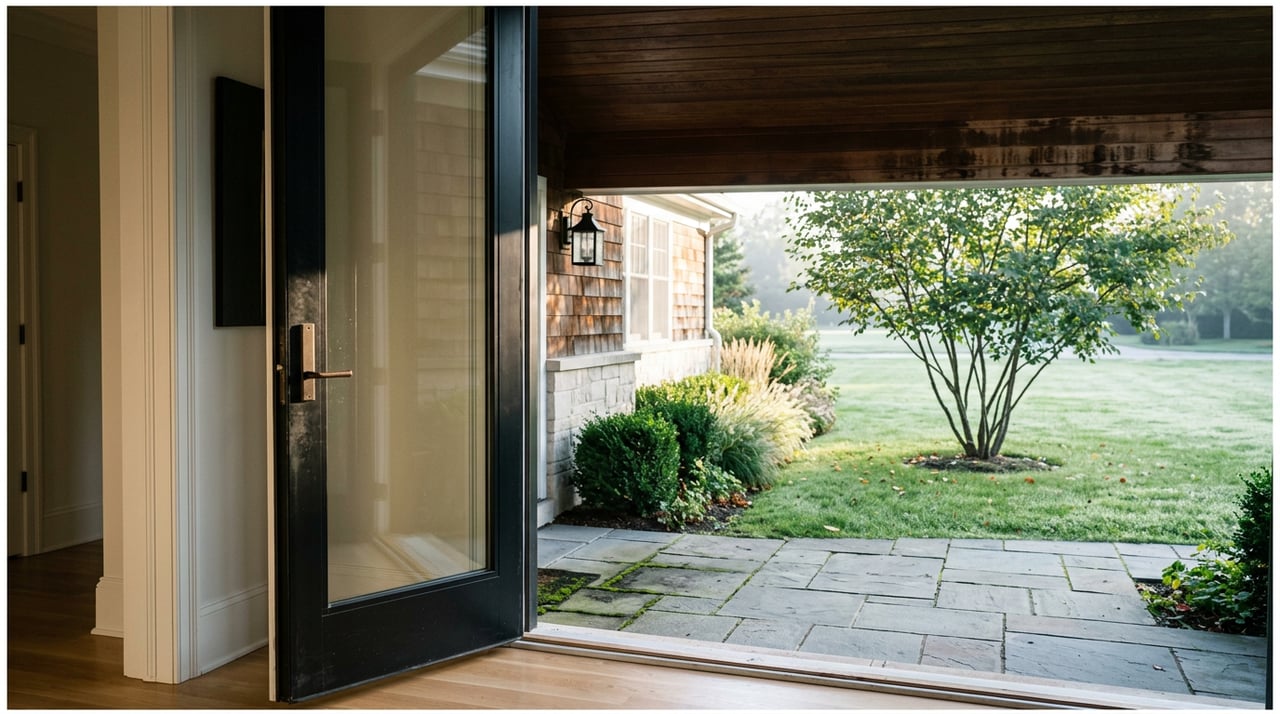
Thinking about selling your home in Plymouth but not sure where to start? You want a smooth process, a strong price, and clear answers about timing, prep, and costs. You’ll find a simple, step-by-step plan here that walks you from early prep through negotiating offers and closing, with local insights tailored to Plymouth and Hennepin County. Let’s dive in.
Plymouth market at a glance
Plymouth’s market has shown steady momentum. As of January 2026, Redfin reported a median sale price around $523,000 and days on market typically measured in weeks. Realtor.com characterized Plymouth as a balanced market in early 2026, though trends can vary by price band and neighborhood. If you can, target late spring to early summer for your listing date. In the Twin Cities, buyer activity is strongest from March through June, and many sellers see their best results with May or June go-live dates, according to seasonality research on the Twin Cities.
Your street and price point matter more than city medians. Before you list, review a fresh 30, 60, and 90‑day CMA for your exact neighborhood so your pricing reflects the latest momentum.
Your timeline: 12 months vs. 3 months
If you are 12 months out
- Meet with an agent for a valuation and a 12‑month plan. Ask for a CMA tied to your zip code and price band.
- Prioritize repairs with the best return. Plan seasonal exterior projects for spring curb appeal.
- Start a declutter routine. Sort, donate, and store monthly so listing week feels easy.
- Map big improvements. If updates make sense, schedule quotes now to avoid contractor bottlenecks.
- Review disclosures. Learn what you’ll need to share under Minnesota law.
If you are 3 months out
- Lock your pricing strategy with a current CMA and market tempo review.
- Complete cosmetic refreshes: paint, lighting, minor bath and kitchen touchups.
- Schedule professional cleaning, window washing, and landscaping.
- Book photos, a floor plan, and a 3D tour. Aim for late April to June if possible.
- Prepare your disclosure packet and pre-list documents.
Price it right with a CMA
Use a 30/60/90‑day CMA to gauge list-to-sale ratios, days-on-market bands, and supply in your segment. You can choose an assertive list price to spark competition if inventory is tight, or price at market value for a predictable sale. Your agent should explain how your home stacks up against active, pending, and recently sold comps on your street and within your school attendance area. Small shifts in supply can change strategy, so revisit data right before launch.
Prep that pays off
What to disclose in Minnesota
Minnesota requires a written Seller’s Property Disclosure Statement for most residential sales. Work with your agent to complete the official form and attach any required items, which can include well, septic, or radon disclosures as applicable. Review the statute sections on disclosures so you know what to expect. See Minnesota Statutes, Chapter 513 for details.
Consider a pre-list inspection
A targeted pre-list inspection can surface issues before buyers do. Many sellers choose to check older systems like the roof, HVAC, electrical, and sewer, then fix safety or major mechanical items. Cosmetic items can be priced in or disclosed. This approach can reduce renegotiations later.
Staging and high‑ROI updates
Staging helps buyers visualize living in your home and often reduces time on market. NAR research shows staging the living room, kitchen, and primary bedroom is especially effective. Even simple steps like neutral paint, updated lighting, fresh caulk, and curb appeal updates improve first impressions. See NAR’s findings in its latest staging profile.
Budget guide: pre-list projects
Below are typical ranges to help you plan. Your home’s size, scope, and contractor pricing will drive actual costs.
| Project | Typical scope | Estimated range |
|---|---|---|
| Cosmetic refresh | Neutral interior paint, deep clean, minor caulk/patch | Low to mid four figures |
| Light kitchen touchup | Paint or refinish fronts, new hardware, faucet, lighting | Mid to high four figures |
| Light bath touchup | New vanity, faucet, mirror, lighting, grout refresh | Mid four figures |
| Staging | Partial or full staging, accessories, delivery | Low to mid four figures |
| Exterior curb appeal | Mulch, pruning, seasonal color, power wash | Low four figures |
When to consider Compass Concierge
If you want to streamline prep without upfront costs, programs like Compass Concierge can front approved improvement and staging expenses, then collect payment at closing. Terms and availability vary, so confirm details for your property and price point.
Marketing that reaches Plymouth buyers
Must‑have listing elements
- Professional photography and a measured floor plan for clarity
- A robust MLS listing with a detailed description, commute and amenity context, and neutral school attendance information
- A 3D tour or virtual walkthrough to widen reach
- A clear, complete disclosure packet to build confidence
- Targeted digital ads and email campaigns, plus brokerage‑level distribution. With Compass affiliation, you can leverage national marketing, Private Exclusive options for discreet pre‑market exposure, and Concierge‑prepped listings with polished presentation.
Showings and open houses
Schedule showings to maximize light and curb appeal, especially in spring and summer. Create a showing checklist: secure valuables, set a neutral scent, adjust thermostat for comfort, and arrange for pets. Weekend open houses can attract casual and serious buyers. If you list in winter, plan for snow removal and boot trays.
What buyers expect by price band
- Entry or lower band, roughly under $400,000. Buyers tend to be price sensitive and want clean, safe systems. Focus on mechanical transparency and simple kitchen and bath updates.
- Mid market, roughly $400,000 to $650,000. Many Plymouth sellers are here. Buyers expect move‑in‑ready condition, updated kitchens and baths, neutral styling, and strong curb appeal. Staging and professional media make a measurable difference.
- Upper and luxury, above $650,000. Buyers expect high‑end finishes, energy‑efficient systems, and lifestyle amenities like finished lower levels and outdoor living. Consider elevated marketing, including drone media and targeted digital campaigns.
Across all bands, features that resonate include updated kitchens and baths, usable outdoor space, a comfortable primary suite, and flexible work-from-home areas. Energy efficiency is a plus.
Offers, contingencies, and negotiations
Common contingencies in Minnesota
Most financed offers include inspection, financing, and appraisal contingencies. Inspection windows are negotiable, commonly about a week. In shifting markets, inspections can carry more weight for buyers and sellers, which influences negotiations on repairs or credits. See market context in this discussion of inspection trends and negotiations here.
Appraisal gaps explained
If the home appraises below the contract price, you and the buyer can renegotiate price, adjust concessions, or the buyer can bridge the gap with additional cash. Your pricing strategy and comp selection should anticipate this risk, especially in fast‑moving segments.
Choosing the right offer
Price is one factor. Also weigh timeline certainty, financing strength, appraisal gap language, inspection terms, and earnest money. Your agent can model likely net outcomes and risks for each scenario.
From contract to close in Plymouth
Closing timeline
Financed closings commonly take about 30 to 45 days from a signed purchase agreement, subject to underwriting, appraisal, and any association review. Cash deals can close faster, often 7 to 14 days. Seasonal holidays and severe weather can add time. See typical ranges for Minnesota closings here.
Seller closing costs: what to expect
Closing costs vary by contract and provider. Here are common line items and an example on a $550,000 sale price in Hennepin County.
| Cost item | Typical note | Example on $550,000 |
|---|---|---|
| Commission | Negotiable; historically about 5% to 6% total nationally | Varies by agreement; confirm with your agent. See industry overview. |
| State deed tax | 0.33% of sale price, customarily paid by seller | About $1,815 at 0.0033. See MN Dept. of Revenue. |
| Hennepin ERF surcharge | Small county Environmental Response Fund surcharge | About $55 at 0.0001. See Hennepin County info. |
| Owner’s title insurance | Often seller paid by local custom; negotiable | Check with your title company. See closing cost customs. |
| Title, escrow, recording | Title fees, recording fees, and wire charges | Vary by provider; your title company will quote and prepare prorations. |
| Property tax proration | Seller’s share through closing date | Calculated by title on the settlement statement. |
Confirm exact costs and who pays with your title company. See the Minnesota Department of Revenue overview and Hennepin County resources for calculations and forms.
Final walk‑through and funding
Buyers typically complete a final walk‑through shortly before closing to verify condition. Your title company will coordinate payoff letters, funds, and recording. To avoid delays, confirm mortgage payoffs in advance and wire instructions securely.
After closing: tax reminder
If the property is your primary residence, you may qualify for a federal capital gains exclusion, subject to ownership and use rules. Speak with your tax advisor to understand your specific situation.
Local notes for Plymouth sellers
Timing around the school year
Many buyers plan moves around the school calendar. Plymouth is primarily served by Wayzata Public Schools, with portions of Robbinsdale, Osseo, and Hopkins districts also serving the city. Review attendance boundaries and calendars to align your move timeline. Explore a neutral overview on the Plymouth local guide.
Next steps
Selling well comes down to smart prep, data‑driven pricing, and polished marketing that meets buyers where they are. If you want a tailored plan, request a neighborhood‑level valuation and a step‑by‑step prep schedule from our senior‑led team. Ready to start? Connect with Evergreen Realty Group for a consult or to get your instant home valuation.
FAQs
When is the best time to sell a home in Plymouth?
- Buyer activity peaks in spring and early summer across the Twin Cities, with many sellers seeing strong results from May to June listings based on seasonality research.
What disclosures are required to sell a house in Minnesota?
- Minnesota requires a written seller’s property disclosure for most residential sales, with additional forms as applicable; review Minnesota Statutes, Chapter 513 and complete the official forms with your agent.
How long does it take to close after accepting an offer?
- Financed purchases commonly close in 30 to 45 days and cash deals can close in 7 to 14 days, subject to appraisal, underwriting, and logistics; see typical Minnesota timelines here.
What are typical seller closing costs in Hennepin County?
- Plan for negotiated commission, Minnesota deed tax at 0.33% of the sale price, a small Hennepin ERF surcharge, potential owner’s title insurance by custom, and title, recording, and prorations; see state tax guidance and Hennepin resources.
Should I stage my Plymouth home before listing?
- Yes, even light staging and neutral paint can help your home present better and sell faster; NAR’s staging research highlights benefits, especially in living spaces and the primary suite.
What is Compass Concierge and can it help me?
- Compass Concierge can front approved prep and staging costs with payment at closing, subject to program terms and availability; it is useful if you want a strong presentation without upfront outlay.