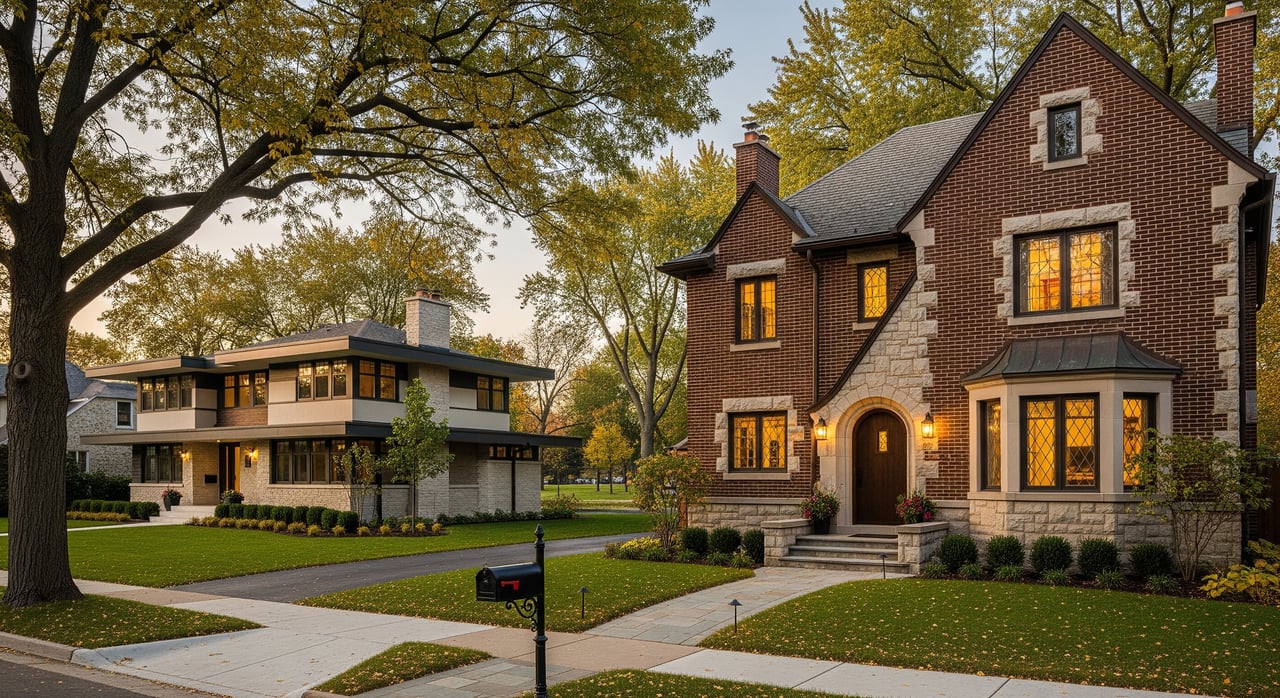
Trying to figure out which part of St. Louis Park fits you best? You have great choices, from close-in, walkable blocks near Minneapolis to quiet streets with bigger yards and updated midcentury homes. In this guide, you’ll learn how the city’s main neighborhood types compare by home style, practical price tier, schools, commute, and everyday lifestyle so you can focus your search. Let’s dive in.
Start with your priorities
Use these quick matches to narrow your list before you tour:
- Best for walkers and short commutes: East SLP close-in/transit-oriented areas.
- Best for yards and play space: Central and west postwar neighborhoods.
- Best for upgraded homes near nature: Northwest park-adjacent pockets around Westwood Hills.
- Best for low-maintenance living near shopping: Mixed-use and redevelopment corridors like West End.
- Best for move-up buyers balancing size and location: Western areas near the Hopkins border with older subdivisions and selective rebuilds.
Neighborhood types at a glance
East Edge and 36th Corridor
- Typical home styles: Early 1900s cottages and bungalows, some duplexes, small apartment buildings; many renovated interiors on smaller lots.
- Who it fits: First-time buyers, downsizers who value walkability, renters moving into ownership.
- Practical price tier: Entry to mid within SLP; condos and townhomes are often the most affordable entry point.
- Schools: Served by St. Louis Park Public Schools (ISD 283); attendance varies by address. Confirm with the district boundary tool.
- Commute and transit: Among the shortest drives to downtown Minneapolis, with frequent bus connections and bikeable routes into the city.
- Local highlight: Easy access to dining, retail, and cultural spots in adjacent Minneapolis neighborhoods.
Why choose this neighborhood: You want a shorter commute, walkable amenities, and a lower-maintenance lot at an attainable price.
West End and I-394 Corridor
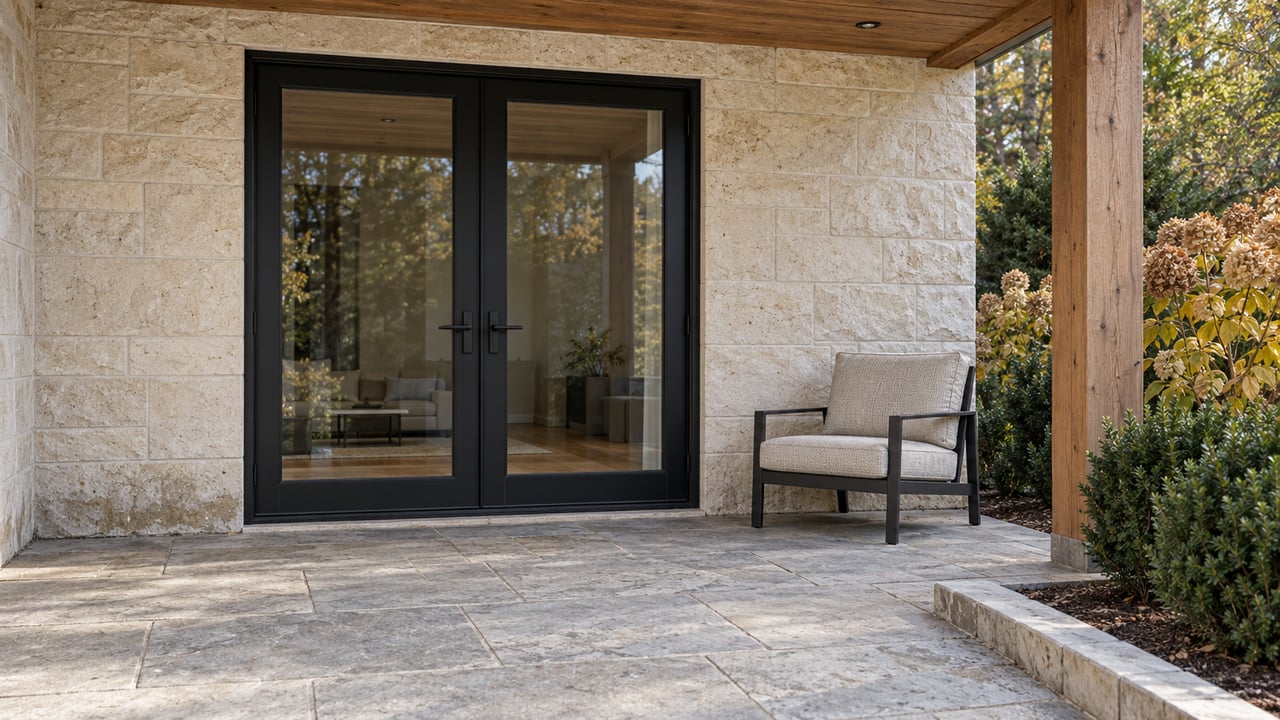
- Typical home styles: Newer condos and townhomes, mixed-use buildings, and boutique developments with more density and less yard work.
- Who it fits: Young professionals and downsizers who prioritize convenience to shopping, dining, and services.
- Practical price tier: Wide range; some affordable condo options alongside higher-priced new construction and boutique units.
- Schools: ISD 283 serves the area; verify school assignments by address due to periodic boundary updates.
- Commute and transit: Quick access to I-394 and arterial roads; convenient for non-car trips to local employers and retail.
- Local highlight: West End’s restaurants, shops, and entertainment within a short walk or bike ride.
Why choose this neighborhood: You want newer finishes and easy access to everyday amenities with minimal maintenance.
Central SLP Park Pockets
- Typical home styles: 1940s–1960s ranches and split-levels on larger lots; many homes updated or expanded.
- Who it fits: Households that want yard space, garages, and room to grow; buyers open to renovation or future additions.
- Practical price tier: Mid for SLP, with a wide range based on size, lot, and updates.
- Schools: Multiple elementary and middle school options within ISD 283; check address-specific assignments.
- Commute and transit: 10–25 minutes by car to downtown Minneapolis in typical conditions; bus routes vary by corridor.
- Local highlight: Neighborhood parks, playfields, and community programming that support active lifestyles.
Why choose this neighborhood: You want a classic suburban feel with bigger lots and solid midcentury homes still close to the city.
Northwest and Westwood Hills
- Typical home styles: Larger midcentury homes, some modern rebuilds, and well-renovated properties on bigger lots with strong curb appeal.
- Who it fits: Move-up buyers and established professionals seeking more space and upgraded finishes.
- Practical price tier: Premium for SLP, especially near parkland and extensively renovated homes.
- Schools: Served by ISD 283; confirm likely elementary, middle, and high schools by specific address.
- Commute and transit: Competitive car commutes to both Minneapolis and west-metro job centers; bus access varies.
- Local highlight: Proximity to larger parks and nature areas like Westwood Hills for trails, wildlife, and year-round recreation.
Why choose this neighborhood: You want space, privacy, and an upgraded home environment near significant green space.
West Near Hopkins Border
- Typical home styles: Older subdivisions with 1950s–1960s ranches and splits, plus selective tear-downs and custom rebuilds.
- Who it fits: Buyers balancing more square footage with access to both Minneapolis and western employers; move-up households.
- Practical price tier: Mid to premium depending on home size, lot, and level of renovation or new construction.
- Schools: ISD 283 covers most of this area; always verify assignments by address.
- Commute and transit: Direct access to west-metro corridors; car commutes vary by time of day but remain competitive.
- Local highlight: Convenient reach to regional retail and services while maintaining a neighborhood feel.
Why choose this neighborhood: You want a larger home footprint and suburban setting with flexible commute options.
Commute and transit snapshot
St. Louis Park’s proximity to Minneapolis helps keep many commutes short. Typical drive times to downtown range from about 10 to 25 minutes depending on traffic and starting point. Major routes include I-394 and key county road corridors. Metro Transit operates bus routes through multiple SLP corridors, and many riders also use multi-use trails and bike lanes for active commuting. Check real-time travel times and transit schedules before you tour to understand your routine at peak hours.
Schools overview
Most St. Louis Park addresses fall within St. Louis Park Public Schools (ISD 283). School names, grade configurations, and attendance boundaries can change, so verify your likely elementary, middle, and high schools through the district’s boundary tool by specific address. Families often compare program offerings and up-to-date performance indicators using Minnesota Department of Education report cards. Charter, private, and early childhood options exist nearby; availability and admissions vary by program.
Use neutral criteria when evaluating schools: location, programming that fits your student, transportation logistics, and how the schedule aligns with your household.
Market snapshot and home types
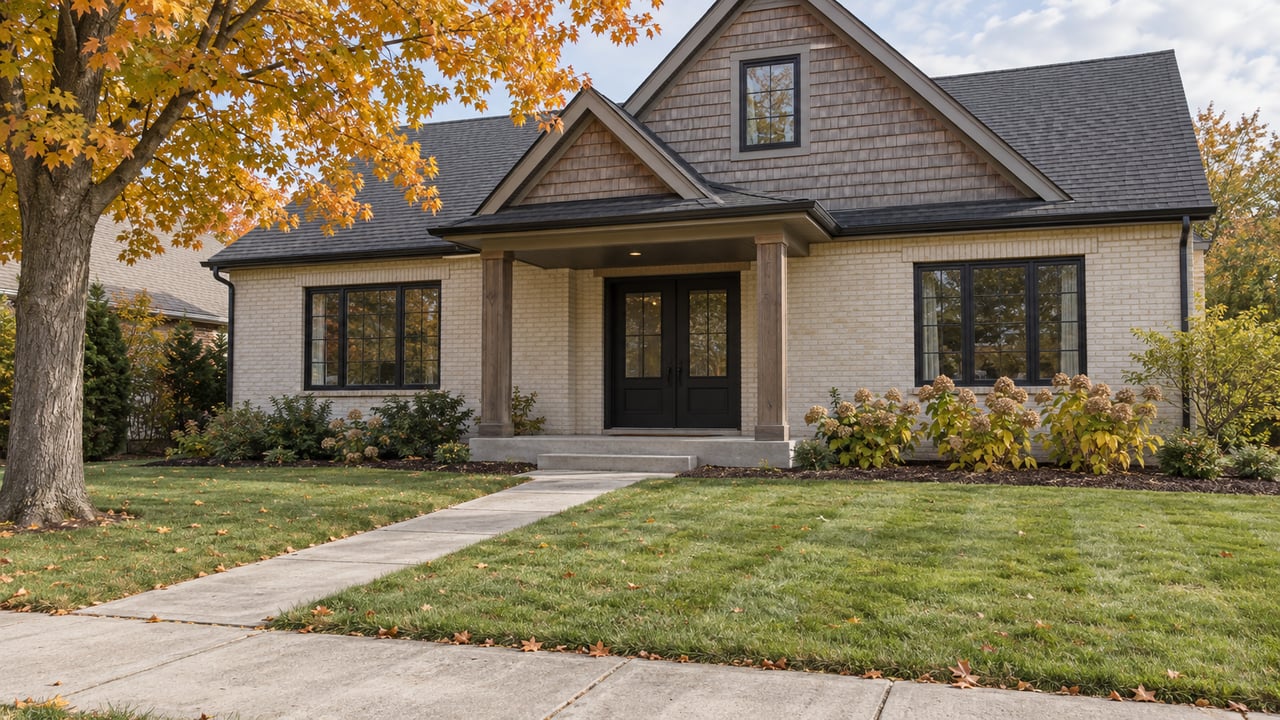
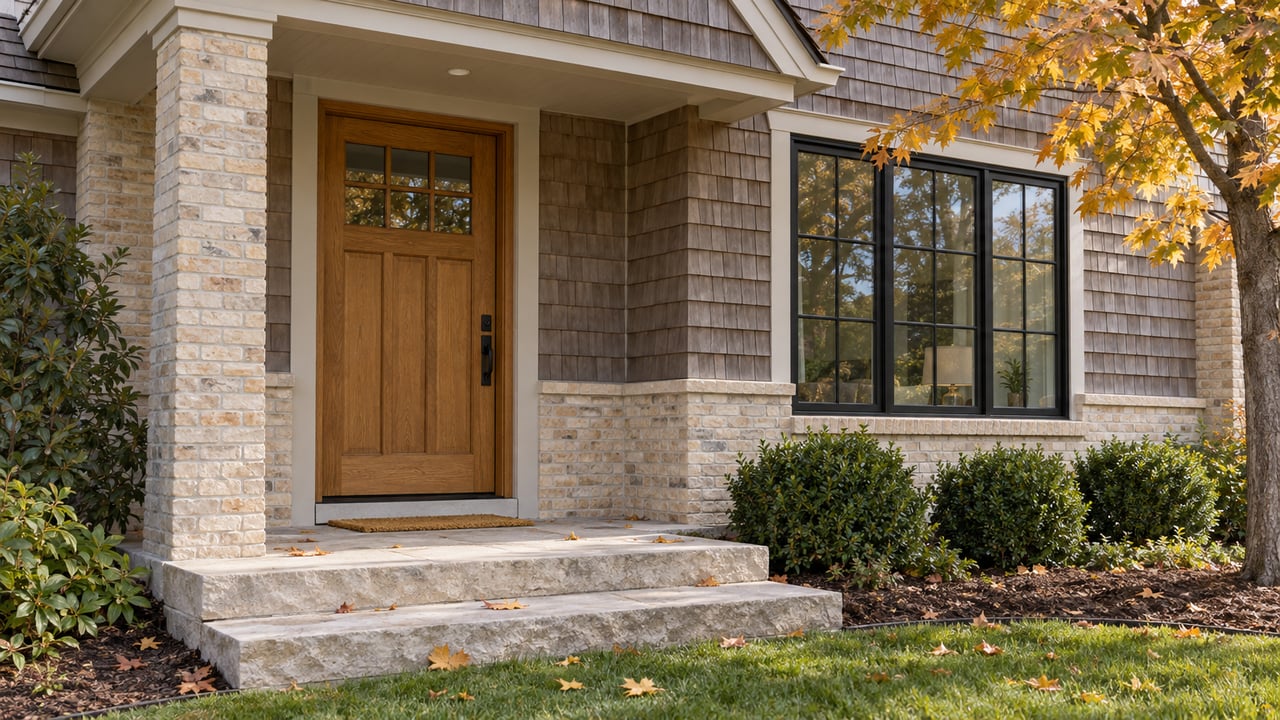
You will find a wide mix of homes: early 20th-century bungalows near the Minneapolis border, classic postwar ranches and split-levels in central and western blocks, and newer condos, townhomes, and boutique developments near retail nodes. For price tiers, think in practical terms rather than hard numbers:
- Entry: Condos, townhomes, and smaller single-family homes, often in close-in areas or near higher-density corridors.
- Mid: Renovated ranches and split-levels with yard space typical of central and west SLP.
- Premium: Larger lots, extensively remodeled or rebuilt homes, and select new construction, especially around northwest park-adjacent pockets.
Market conditions shift month to month. Inventory, median sale price, and days on market can change quickly, so review current NorthstarMLS or local brokerage reports before you write an offer. Ask your agent for recent neighborhood-level comps that match your target home style, updates, and lot size.
Next steps to focus your search
- Define your must-haves: yard size, home layout, walkability, or low maintenance.
- Verify schools by address: use the ISD 283 boundary lookup and confirm program details directly with the district.
- Preview active and recent sales: compare home styles and update levels across your top two areas.
- Tour at commute times: drive and, if applicable, bike or bus your route during peak hours.
- Get pre-approved: understand your budget range for entry, mid, or premium tiers.
- Line up local guidance: a neighborhood-focused agent can surface off-market options, advise on renovation potential, and navigate competitive offers.
When you are ready to compare blocks, coordinate tours, or discuss off-market opportunities and Compass Concierge options for a future sale, reach out to the team at Evergreen Realty Group. We help you match the right St. Louis Park neighborhood to your lifestyle and make a confident move.
FAQs
Which St. Louis Park areas are most walkable for daily errands?
- East SLP near the Minneapolis border and mixed-use nodes like West End tend to offer the best walk access to retail, dining, and transit; walkability still varies by block.
Where are the larger yards in St. Louis Park?
- Central and western postwar neighborhoods and some northwest pockets typically offer bigger lots and more private outdoor space, though lot sizes vary by street.
How long is the commute to downtown Minneapolis from SLP?
- Many drivers see 10–25 minutes in typical conditions depending on starting point and time of day; verify your route at peak hours for accuracy.
How do I confirm my assigned St. Louis Park schools?
- Use the ISD 283 boundary lookup by address and review Minnesota Department of Education report cards for up-to-date program and performance information.
What is the most affordable path into SLP homeownership?
- Condos and townhomes, plus smaller older single-family homes near the Minneapolis border or higher-density corridors, are common entry points; verify current pricing with recent sales data.