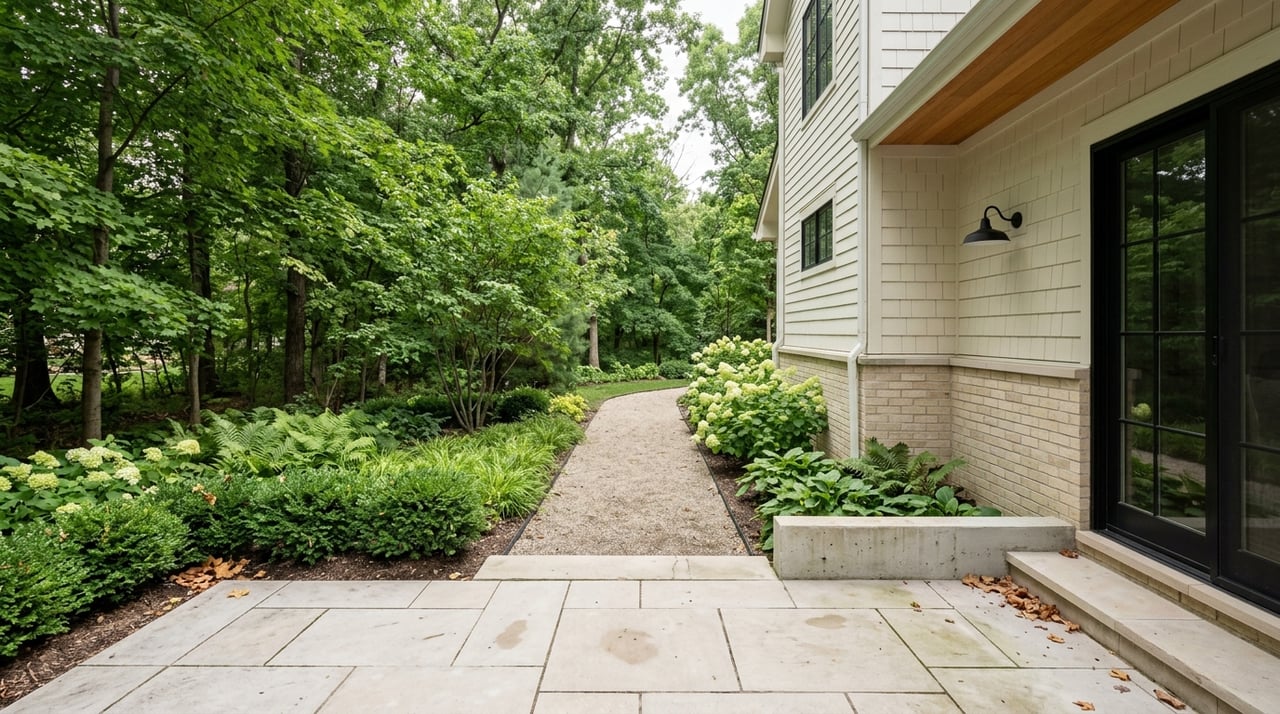
Wondering whether trails or water actually help your Minnetonka home stand out? In a city known for parks, wetlands, lakes, and miles of connected trails, outdoor access can absolutely shape buyer interest. The key is knowing how to present those features clearly, accurately, and in a way that supports your price and timeline goals. Let’s dive in.
Why this angle matters in Minnetonka
Minnetonka has a strong outdoor identity, and that gives sellers a meaningful local story to tell. According to the city, Minnetonka maintains five community parks, 44 neighborhood parks, more than 100 miles of trails, and 1,000 acres of natural public open space. The city also says more than 20% of its land area is wetlands and lakes.
That matters because buyers are not just comparing square footage. They are also weighing how a home fits into daily life, including time outside, access to recreation, and the feel of the surrounding area. In Minnetonka, proximity to trails, preserves, creeks, or lakes can help create that lifestyle picture.
Still, it is important to keep expectations realistic. Outdoor access is a strong selling point, but it is not a one-size-fits-all value boost. Your home’s location, access type, lot usability, view, and legal rights all shape how buyers will respond.
What buyers actually look for
Buyer behavior supports the idea that outdoor features matter, but selectively. In the 2025 Generational Trends report, quality of the neighborhood ranked as the top location factor for 59% of buyers. Convenience to parks and recreational facilities mattered to 20%, walkability to 21%, and access to bike paths to 8%.
The takeaway is simple. Trails and water should be marketed as part of the overall lifestyle, not as an automatic premium. Buyers may love the setting, but they will still compare condition, layout, price, and convenience.
Online presentation also carries real weight. The same report says buyers typically start their search online, search for about 10 weeks, and view a median of seven homes. Photos were the most useful website feature for 83% of internet-using buyers, followed by detailed property information at 79%, floor plans at 57%, neighborhood information at 35%, interactive maps at 30%, and videos at 29%.
For you as a seller, that means the story of your home needs to be visible right away. If your property benefits from trail access, a natural setting, or water context, buyers should understand that from the first few seconds of viewing your listing.
Lead with the right visuals
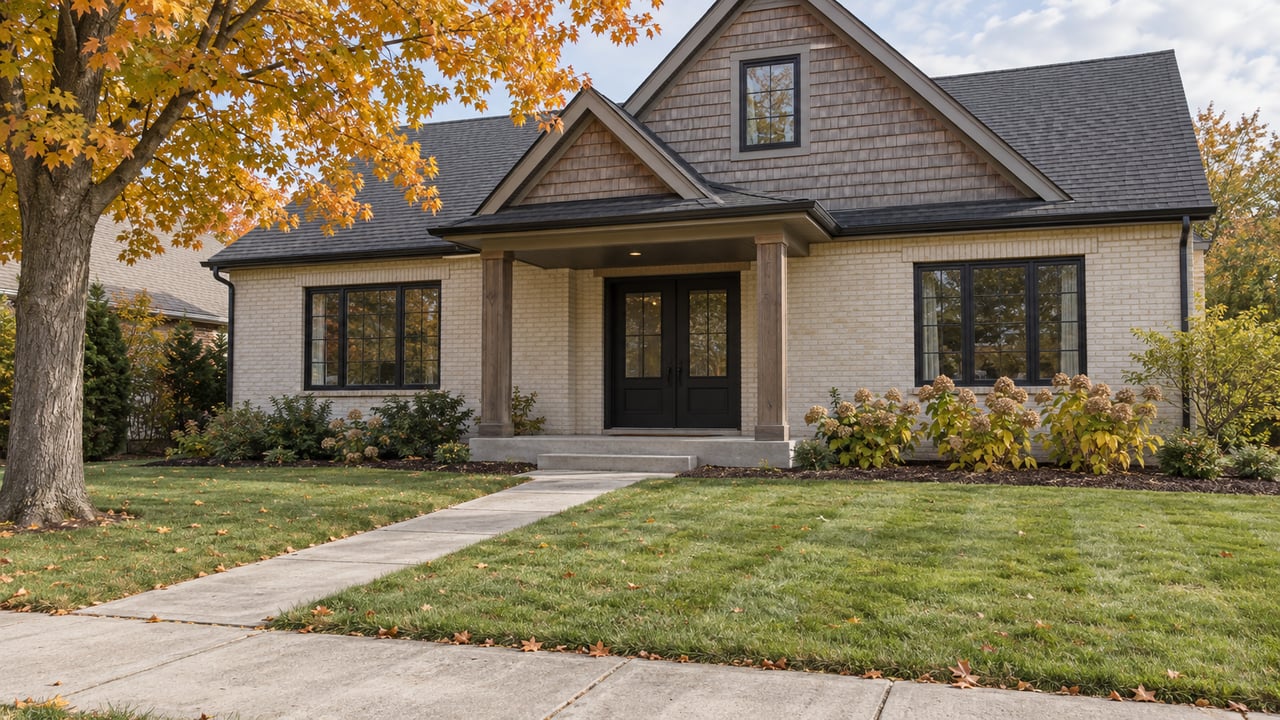
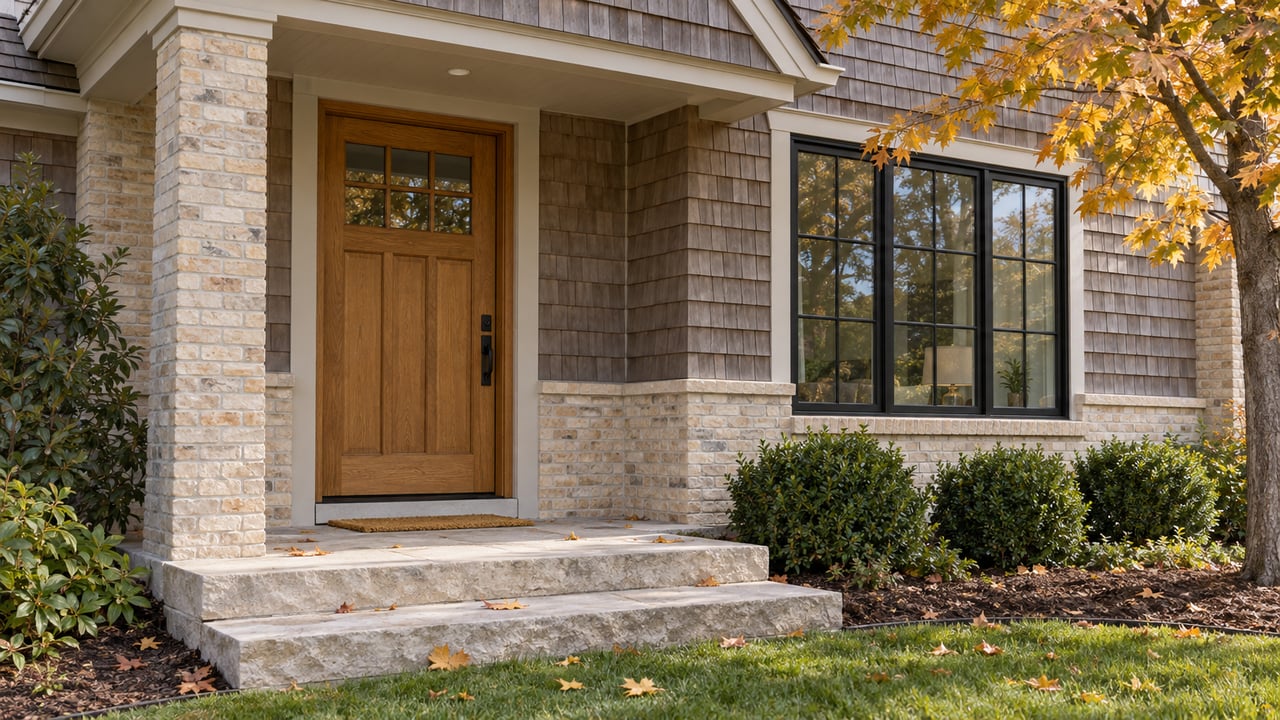
If your home is near trails or water, your photo strategy should reflect that. The first image should show the strongest version of the property’s outdoor appeal, whether that is curb appeal, a backyard that feels private and usable, a deck with a view, or a natural setting that frames the home well.
That does not mean every listing should open with a lake photo or a trail shot. It means the lead image should quickly answer a buyer’s question: What makes this home feel special? In Minnetonka, that answer is often tied to the lot, landscape, or nearby open space.
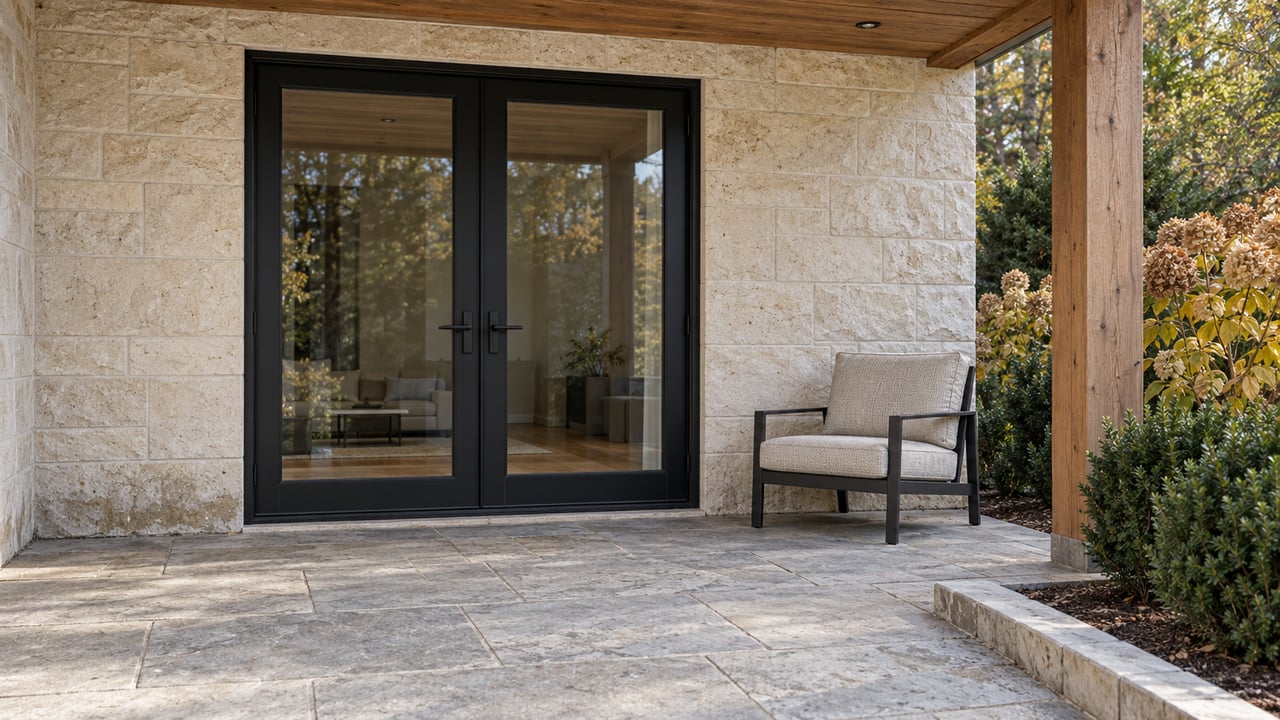
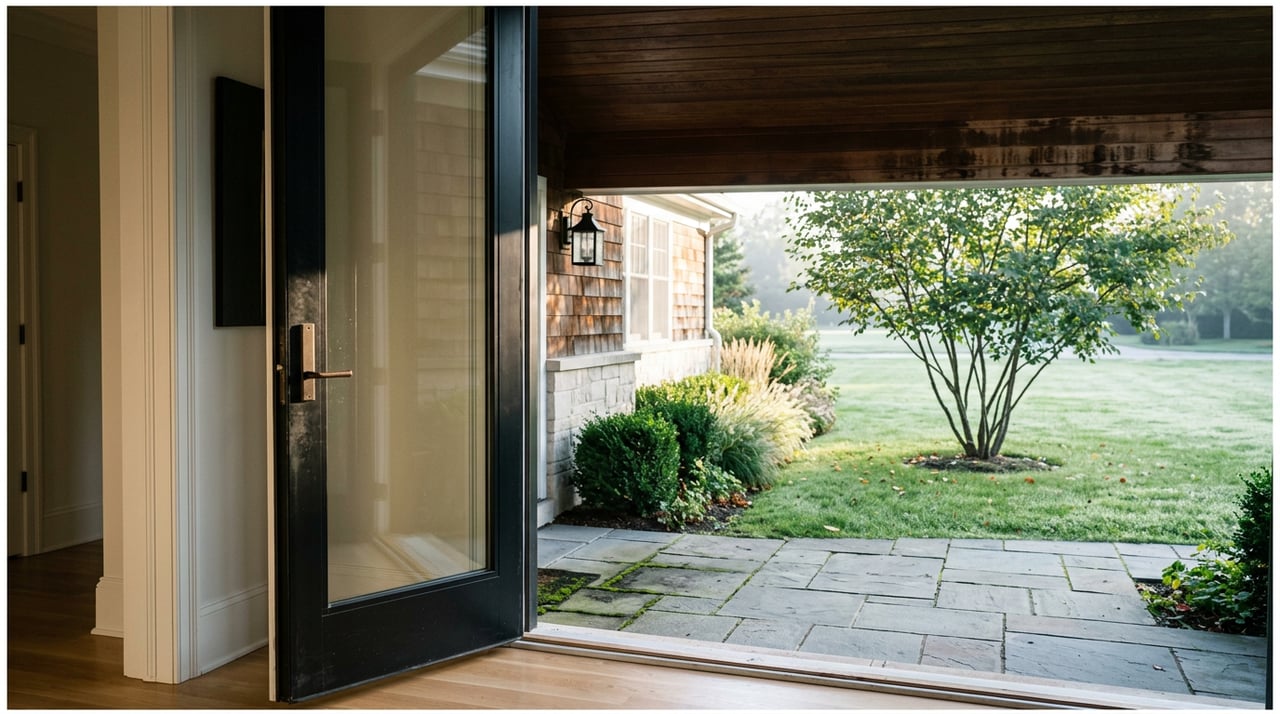
Outdoor areas should also be photographed as living spaces. A cleaned-up patio, a simple seating area, and clear zones for dining or relaxing can help buyers picture how they would use the space. If relevant, storage or setup for bikes, kayaks, or pet routines can also support the lifestyle story.
Staging can help here. In the 2025 staging survey, 83% of buyers’ agents said staging made it easier for buyers to visualize a property as a future home. That is especially useful when outdoor features are part of the appeal.
Use precise language in listing copy
The words you use matter just as much as the photos. When a home is near water or trails, buyers want clarity. Vague phrases can create confusion, and in some cases, disappointment.
Instead of broad claims, use specific and accurate language such as:
- Trail-adjacent
- A short distance to neighborhood trails
- Near a creek corridor
- Close to a public shoreline
- Near Lone Lake Community Park and Preserve
- Convenient access to connected trail systems
This is especially important in Minnetonka because the city’s outdoor network is extensive and varied. Some homes are close to parks or trail corridors without having direct frontage or dedicated access. Others may be near water visually, but not include shoreline rights or private access.
Clear wording helps buyers understand what is truly being offered. It also helps protect your listing from overpromising, which can weaken trust once buyers visit in person.
Be careful with water claims
Water can be one of the most attractive features in a listing, but it is also one of the easiest to overstate. If your home is shoreline-adjacent, near wetlands, or within view of water, the details matter.
Minnetonka regulates water resources closely. The city works with four watershed districts, and stormwater is managed through an MS4 permit to help reduce sediment and pollutants entering state waters. That reflects a broader local approach: water is not just a scenic feature, but a protected resource.
Minnetonka’s shoreland district includes land within 1,000 feet of a lake’s ordinary high water level and 300 feet of a tributary creek. City code also places limits on certain water-oriented accessory structures, requires visibility reduction from the water, and restricts land alteration on steep riparian slopes to help prevent erosion and vegetation loss.
For sellers, the practical takeaway is straightforward. You should highlight a natural setting without implying more access or use rights than the property legally has. If there is no frontage, deeded access, or association access, your marketing should not suggest otherwise.
Prepare outdoor spaces without over-clearing
When sellers get ready for market, there is often a temptation to open up every possible view. On lots near water, that can create problems.
The Minnesota DNR says one of the most important stewardship steps for shoreline property owners is maintaining or restoring natural shoreline vegetation. Limited clearing and trimming may be allowed for a water view or access path, but local ordinances can be more restrictive, and local zoning administers shoreland rules.
In practice, that means your prep plan should focus on tidiness and usability, not aggressive clearing. Clean up leaves and debris, define outdoor seating areas, trim where appropriate, and make paths readable if allowed. But avoid stripping away natural buffers or making changes that could conflict with local requirements.
A natural shoreline can still present beautifully. In fact, many buyers in Minnetonka expect that kind of landscape to feel authentic to the setting.
Price based on access and usability
One of the biggest mistakes sellers make is assuming that being near trails or water automatically adds a fixed amount to value. In reality, pricing works best when it reflects the specifics of your property.
For a Minnetonka home, that means comparing recent sales with a similar access profile, similar view quality, and similar lot usability. A home with true shoreline frontage is not the same as a home near a pond or wetland. A house with direct trail adjacency may compete differently from one that is simply a short drive from a park.
Current market snapshots show why this needs a data-driven approach. Redfin reported a Minnetonka median sale price of $514,692 in May 2026, with a median of 17 days on market. Realtor.com reported homes selling at about 100% of list price in May 2026, with a 30-day median. Minnesota Realtors reported Twin Cities prices up 1.0% year over year in May 2026, while inventory remained below balanced levels.
Those are useful signs of an active market, but they do not replace property-level pricing. Even in a strong market, buyers compare carefully, especially when a listing leans on lifestyle features.
There is also broader evidence of demand in waterfront segments. Minnesota Realtors reported that private waterfront home sales rose 14.5% in May 2026 statewide. That suggests continued interest, but your final price still depends on the details of your lot, home condition, and legal access.
Show buyers how the home lives
The most effective listings do more than mention a feature. They connect that feature to daily life.
If your home is near trails, help buyers picture a morning walk, bike storage in the garage, or an easy route to nearby parks. If your home is near water, show how the deck, yard, or window placement takes advantage of the setting. If your lot borders natural open space, make sure buyers can see where privacy and greenery shape the experience of the home.
Minnetonka offers plenty of real context for this kind of marketing. The city’s trail system connects to Bryant Lake Regional Park and the 27-mile Lake Minnetonka and Minnesota River Bluffs LRT trails. Lone Lake Community Park and Preserve offers views of Lone Lake and nearly two miles of formal trails, and Purgatory Community Preserve is the largest of the city’s five community parks.
These are meaningful location cues when they are relevant to your address. Used carefully, they help buyers understand the home’s position within Minnetonka’s outdoor network.
Why strategy matters before you list
Selling a home near trails or water is not just about having a nice feature. It is about presenting that feature in a way that is accurate, polished, and aligned with what buyers actually care about.
That usually means a combination of smart pricing, strong photography, thoughtful staging, and precise listing language. It also means understanding where a lifestyle benefit ends and where legal property rights begin. In a market like Minnetonka, that balance can make a real difference in how your home is perceived online and in person.
If you are preparing to sell, a tailored plan can help you avoid generic marketing and focus on what truly sets your home apart. Evergreen Realty Group can help you evaluate your home’s trail or water context, position it with clear market data, and create a listing strategy designed for how Minnetonka buyers shop today.
FAQs
How should you market a Minnetonka home near trails?
- Focus on accurate proximity, strong outdoor photos, and clear wording such as trail-adjacent or near connected trail systems when those descriptions are true.
Does being near water always increase a Minnetonka home’s value?
- No. Value depends on the specific property, including legal access, frontage, view quality, lot usability, condition, and comparable sales.
What should you avoid saying in a Minnetonka water-area listing?
- Avoid implying lake frontage, private access, or shoreline rights unless the property legally includes them.
How should you prepare a Minnetonka shoreline lot before listing?
- Keep the yard tidy and usable, but avoid over-clearing natural vegetation near the shore because local shoreland rules may limit what can be altered.
Why do photos matter so much when selling a Minnetonka home near parks or water?
- Buyers usually start online, and photos were rated the most useful website feature by 83% of internet-using buyers in the 2025 buyer trends report.
What outdoor features help a Minnetonka listing feel more usable?
- Clean decks and patios, defined seating or dining areas, and organized storage for activities like biking or paddling can help buyers picture everyday use.