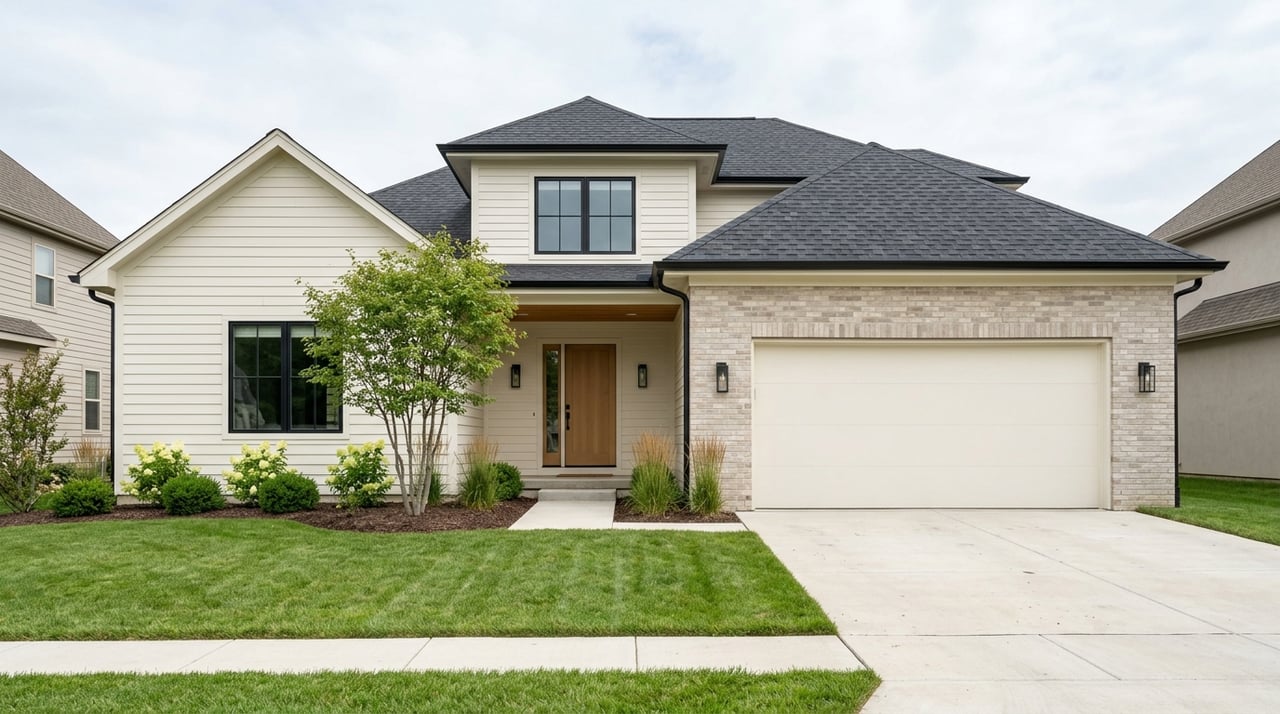
Buying new construction in Lakeville can feel exciting and overwhelming at the same time. You are not just choosing a floor plan or a finishes package. You are also choosing a lot, a builder, a timeline, and a neighborhood that may still be evolving. This guide will help you ask smarter questions, compare options more clearly, and make a confident decision in Lakeville’s fast-changing new-build market. Let’s dive in.
Why Lakeville Stands Out
Lakeville continues to be a major growth area in the Twin Cities suburbs. The city spans more than 38 square miles, had an estimated population of 77,971 in May 2025, and expects growth to reach 83,500 by 2040. That long-term growth matters because it shapes how land is planned, when infrastructure is extended, and where new neighborhoods take shape.
The city uses a comprehensive land-use plan and staged growth areas to manage expansion. In practical terms, that means not every area develops at the same pace. Sanitary sewer service is extended in roughly 10-year intervals, so one neighborhood may feel much further along than another even if both are marketed as new construction.
Lakeville also remained very active in residential building. The city reported 551 residential permits in 2025, including 229 single-family homes, and ranked first in the Minneapolis-St. Paul metro for residential permit numbers. If you are considering a new construction home here, you are shopping in a market with real momentum.
Understand The Development Pipeline
One of the biggest mistakes buyers make is focusing only on the home itself. In Lakeville, it is just as important to understand the development pipeline around the home. A beautiful model home can be compelling, but you also need to know what is approved, what is proposed, and what may still change nearby.
In April 2026, Lakeville approved a temporary pause on acceptance and approval of certain new residential development applications. The city said the pause was meant to give staff time to study how new regional planning requirements may affect the 2040 Comprehensive Plan and related development rules. At the same time, the pause did not affect 675 single-family lots and 644 townhome units that were already approved.
That distinction matters for you as a buyer. A neighborhood with approved lots may move forward differently than a project still waiting on future approvals. Lakeville also launched an interactive development map in April 2026 showing proposed, approved, and completed projects, which gives buyers a clearer way to see whether a community is still in the pipeline or already under construction.
Lakeville also began work on its 2050 Comprehensive Plan update in June 2026. That means long-range planning rules are still being revisited as the city grows. If you are buying in a newer area, ask how current approvals line up with future phases and surrounding land use.
Compare More Than Base Price
A builder’s base price is only the starting point. It does not always reflect the actual amount you may pay once you choose a specific homesite, structural options, design selections, and other upgrades. That is why comparing “starting from” prices across communities can be misleading.
Lot or homesite premiums can add meaningful cost. A premium may apply because of extra space, privacy, views, or a more desirable location within the neighborhood. Some floor plans may only be available on certain lots because of size, features, or homeowners association requirements.
Model homes can help you picture layout and finish quality, but they are not always reliable price guides. Personalized selections and higher-cost materials can raise the total quickly. Ask for a written breakdown that clearly separates:
- Base price
- Homesite premium
- Included features
- Structural options
- Design upgrades
- Estimated total purchase price
That simple step makes it much easier to compare builders and communities on equal footing.
Verify The Builder Carefully
Before you sign anything, take time to verify the builder’s license. Minnesota’s Department of Labor and Industry says residential building contractors and remodelers must be licensed, and a building contractor license is the one that allows new construction.
You should also check the license number and disciplinary history. This is especially important because unlicensed hires do not have access to the Contractor Recovery Fund. Even if a builder has strong marketing and polished model homes, it is still smart to confirm the licensing details yourself.
Choose The Right Lot
In Lakeville, lot selection affects much more than curb appeal. Because the city grows in stages, the lot you choose can influence your daily experience after closing. You want to understand not only where your house sits today, but also what may be built around it later.
Ask whether the lot is in an early phase, a later phase, or a mostly completed section of the neighborhood. A lot in an earlier phase may mean more future construction activity nearby. A lot in a more established section may offer a clearer picture of the streetscape, traffic flow, and community layout.
You should also ask about future infrastructure and nearby corridor changes. For example, Lakeville is studying the Holyoke Avenue and Highview Avenue corridor because recent growth and development have made roadway design, speed, and pedestrian access a bigger issue. If your community is near a road under study or improvement review, that is worth understanding before you commit.
Review HOA Documents Early
If the home is part of a common-interest community, review the homeowners association documents as early as possible. In Minnesota, these communities can include condos, townhomes, and many planned communities. HOAs may maintain common areas, enforce rules, collect dues, manage finances, and handle other shared responsibilities.
Communities created after June 1, 1994 are generally subject to the Minnesota Common Interest Ownership Act unless exempted. The law includes sections covering boards, reserves, assessments, records, disclosures, and purchaser protections. For you, that means the documents are not just routine paperwork. They help define your future costs and obligations.
At a minimum, review:
- The declaration
- Bylaws
- Current budget
- Reserve funding information
- Assessment history
- Rules on exterior changes and use restrictions
It is also wise to confirm who handles everyday items such as landscaping, snow removal, exterior maintenance, fences, and shared amenities. Those responsibilities are set by the community documents, not by the city.
Plan For Financing And Timing
Financing a new construction home can look a little different from buying a resale property. A preapproval letter is helpful, but it is only a tentative willingness to lend, not a guaranteed loan offer. Once you move forward, compare the official Loan Estimates carefully.
Look closely at:
- Interest rate
- Loan term
- Down payment
- Monthly payment
- Fees and points
- Whether taxes and insurance are included
With new construction, timing can also shift. Closing dates often depend on build status, lender requirements, permitting, and inspections rather than on a simple accepted offer. Lakeville’s Building Inspections department handles plan review, permitting, and inspections for new residential structures, which is one reason timelines can move.
For broad context, a 2026 homebuilding study cited about 1.3 months from lot sale to start of construction and 6.3 months from start of construction to completion for single-family homes built for sale. Still, your Lakeville timeline may be shorter or longer depending on approvals and whether the lot is already platted.
Do Not Skip An Independent Inspection
A new home still needs an independent inspection. City inspections are important, but they are not a substitute for an inspection that works specifically for you as the buyer. Lakeville requires permits and inspections for new construction, yet your own inspector provides another layer of protection.
An inspection is also different from an appraisal. The inspection focuses on condition and performance, while the appraisal supports the lender’s value review. If possible, attend the inspection so you can see issues firsthand and ask questions in real time.
Keep Warranty Records In Writing
New construction usually comes with warranty coverage, but that does not mean every issue resolves itself easily. Minnesota has a home warranty dispute resolution process that may need to be used before a warranty dispute moves toward litigation. That makes documentation especially important.
Keep punch-list items, repair requests, and warranty communications in writing. Save emails, dates, photos, and builder responses. If something needs follow-up after closing, organized records can make the process much smoother.
A Smart Lakeville Buyer Checklist
If you want to simplify your decision, focus on these key questions before you move forward:
- Is the lot already approved and build-ready?
- What phase is the neighborhood in?
- What nearby projects are proposed, approved, or completed?
- What is included in the base price?
- What lot premium applies to this homesite?
- Which upgrades are optional versus standard?
- Is the builder properly licensed in Minnesota?
- What do the HOA documents say about dues, reserves, and maintenance?
- What is the estimated construction timeline?
- When should you schedule your independent inspection?
- How will warranty items be documented and handled?
Final Thoughts
Choosing a new construction home in Lakeville is about more than selecting a house you love. It is also about understanding how the neighborhood is being built, what local planning changes may affect the area, and how costs can shift from the advertised base price to the final contract price. When you take the time to review the lot, builder, community documents, financing details, and timeline, you put yourself in a much stronger position.
If you want experienced, neighborhood-focused guidance as you compare new construction options in Lakeville, Evergreen Realty Group can help you evaluate communities, ask the right questions, and move forward with confidence.
FAQs
What should you ask about a new construction lot in Lakeville?
- Ask whether the lot is already approved, what phase the neighborhood is in, whether future construction is planned nearby, and whether any roadway or infrastructure changes may affect the area.
What does the base price mean for a Lakeville new construction home?
- The base price is the starting price for the home and may not include lot premiums, structural options, design upgrades, or other selections that raise the final purchase price.
Why should you review HOA documents for a Lakeville new-build home?
- HOA documents explain dues, maintenance responsibilities, reserve funding, rules, and any assessment history, all of which can affect your costs and ownership experience.
Do you still need an inspection for a new construction home in Lakeville?
- Yes. City inspections and permits are required, but they do not replace an independent inspection that protects your interests as the buyer.
How long does new construction take in Lakeville?
- Timing varies, but broad 2026 industry data cited about 1.3 months from lot sale to construction start and 6.3 months from start to completion for single-family homes built for sale, with local timelines depending on approvals and lot status.